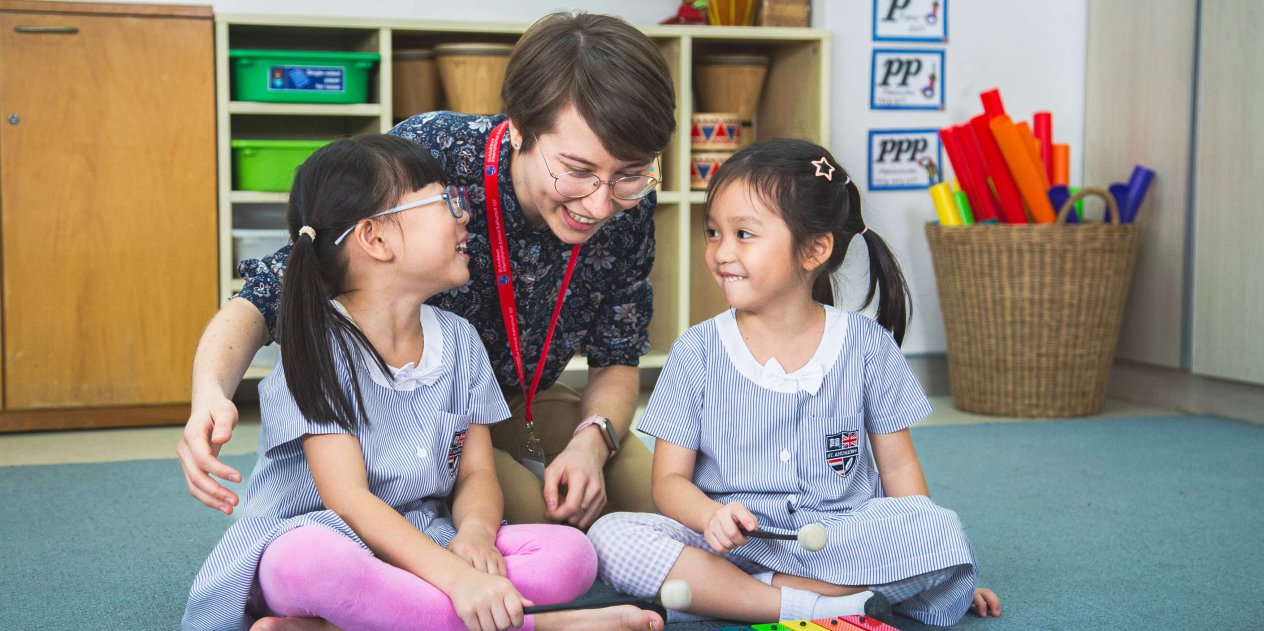
In an Early Years classroom, small moments often show how empathy begins to grow. One child might clutch a favourite toy tightly when a classmate reaches for it; moments later, another quietly places a hand on a friend’s back after noticing that something has gone wrong. Both responses are completely normal for children aged three to five, and they reflect exactly where young children are in their emotional development.
In Nursery and Kindergarten, children are still learning that other people have feelings, thoughts and wishes that may be quite different from their own. They can be generous one moment and wholly self-focused the next, and that is not a cause for concern. Empathy is a skill, not a personality trait, and it grows steadily with the right support at home and at school.
Why Empathy Matters in Early Childhood
During the preschool years, children make significant strides in understanding emotions and the feelings of others. They begin to realise, gradually, that friends, classmates and even characters in stories can think and feel differently from them. This growing awareness shapes friendships, supports confidence and helps children feel settled in classroom life.
When children practise empathy, they learn to wait their turn, comfort a friend who is upset and consider how their actions affect those around them. These are not just social skills. Children who feel emotionally understood tend to approach challenges with more resilience, build stronger friendships and develop the confidence to navigate difficulties.
Empathy also supports cognitive development. As children begin to consider other perspectives, they practise thinking more flexibly and solving problems thoughtfully, laying a strong foundation for future learning.
This focus reflects the wider Early Years curriculum. Personal, social and emotional development is one of the three prime areas of the Early Years Foundation Stage (EYFS) framework, the approach that shapes learning in Early Years settings such as ours.
Children Learn Kindness by Watching Adults
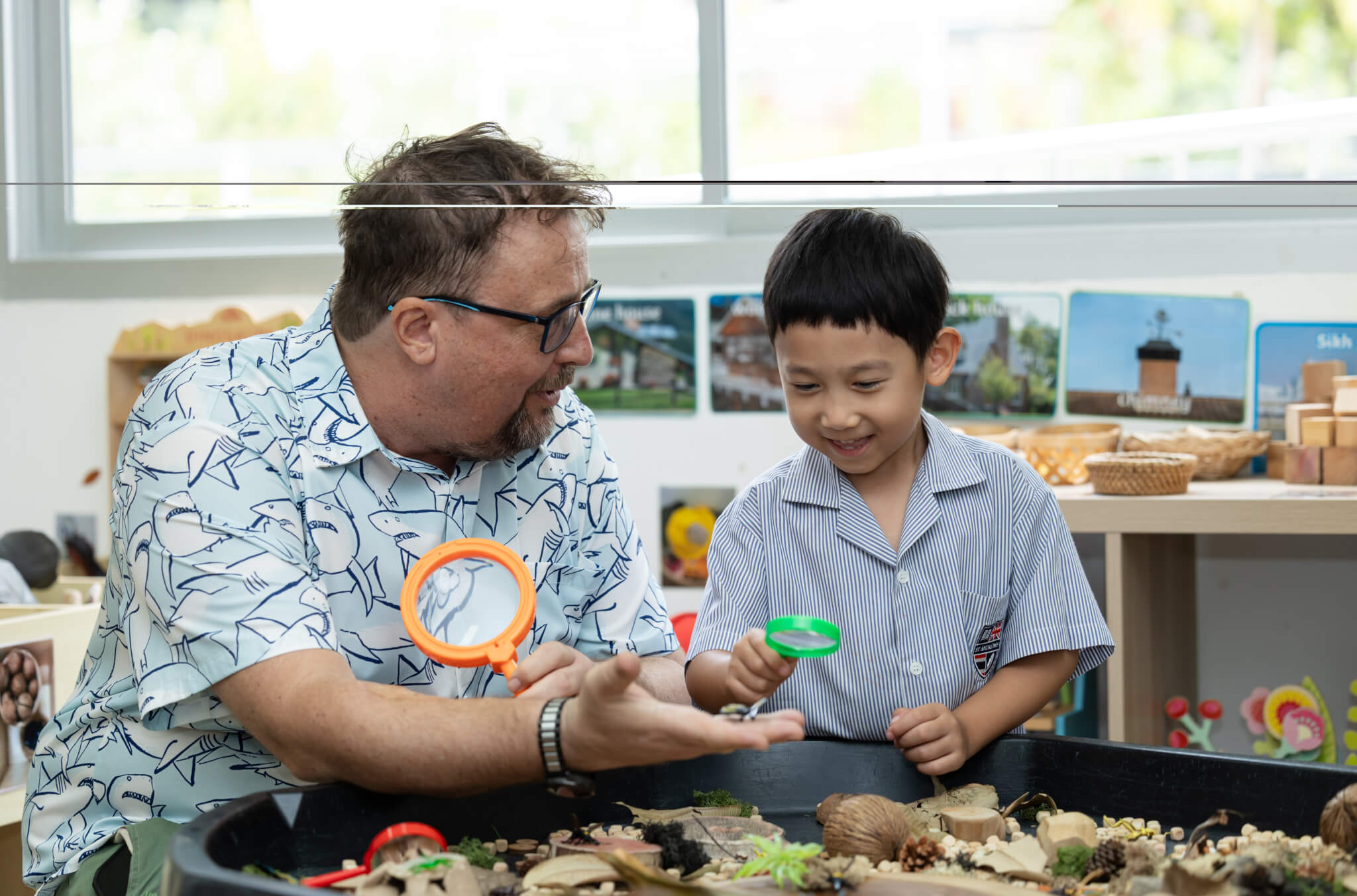
Young children are keen observers. Long before they can explain kindness in words, they are already watching how the adults around them treat others. Teachers in an Early Years setting naturally highlight moments of kindness throughout the day, pointing out when a child helps a classmate tidy up, holds a door or notices that someone is feeling left out.
At home, the same principle applies. Apologising when you make a mistake, showing patience during a difficult moment or simply saying “please” and “thank you” all send clear messages about how people treat each other. Holding a door open, helping a neighbour or acknowledging a kind gesture in a shop are all moments worth noticing alongside your child.
A simple conversation on the way home, such as “Did you see anyone being kind today?” can do a great deal to help children connect what they observe with what they begin to practise themselves.
Helping Children Name Feelings
Recognising and naming emotions, sometimes called emotional literacy, is one of the most practical tools adults can give young children. When children have words for how they feel, they can communicate more clearly and begin to understand how others feel too.
Narrating emotions in a calm, natural way is a good starting point. Teachers and parents might say things like: “You look a little disappointed that playtime is over,” or “Your friend seems sad because his tower fell down.” At home, simple observations such as “I think you were feeling frustrated when your shoes wouldn’t go on” help children make the connection between a feeling and a word.
Pictures and expression cards can also help. Asking your child to point to the face that matches how they are feeling, or acting out different emotions together, makes the process tangible and even enjoyable. Over time, a growing feelings vocabulary helps children manage their own emotions and recognise those feelings in others, which is at the heart of empathy.
Stories and Books That Build Empathy
Picture books are one of the most natural and effective ways to build empathy in young children. When a child listens to a story and begins to wonder how a character feels or what they might do next, they are practising perspective-taking in a safe and gentle context.
Some books that work particularly well in Early Years classrooms include:
- Be Kind by Pat Zietlow Miller
- The Rabbit Listened by Cori Doerrfeld
- Have You Filled a Bucket Today? by Carol McCloud
- I Walk with Vanessa by Keráscoët
- We’re All Wonders by R.J. Palacio
While reading together, pausing to ask a few simple questions can make a real difference: “How do you think this character is feeling?” or “What could someone do to help here?” These moments encourage children to think beyond the story and connect what they are hearing to their own experiences.
Encouraging children to act out their own stories using dolls or soft toys can extend this further, giving them space to explore how characters think, feel and respond to one another.
Simple Kindness Activities
Building kindness habits works best when it feels natural and enjoyable. The following activities are used in Early Years classrooms and are easy to adapt at home:
- Kindness Jar: Each time someone does something kind, add a pom-pom or small bead to a jar. Celebrate together when the jar is full. This makes kindness visible and gives children something to look forward to.
- Kindness Tree: Add a paper leaf for each thoughtful action, such as sharing a toy, helping a friend or comforting someone who is upset. The tree grows alongside the child’s growing habits.
- Feelings Charades: Take turns acting out emotions such as happy, sad, surprised or worried, and ask others to guess. This builds emotional vocabulary in a playful way.
- Puppet Role-Play: Use dolls or soft toys to act out situations such as asking to join a game, sharing something or saying sorry. This gives children a low-pressure way to rehearse real social moments.
- Compliment Circle: Sit together as a family and share one kind thing about each person. This encourages children to notice and appreciate the qualities of those around them.
- Story “Stop and Think”: Pause during a book and ask what the character might be feeling or what they might do next. This simple habit gradually deepens a child’s ability to think about others.
These activities do not need to be structured or scheduled. They work best when they fit naturally into family life and feel more like conversation than a lesson.
Turning Conflict Into a Teaching Moment
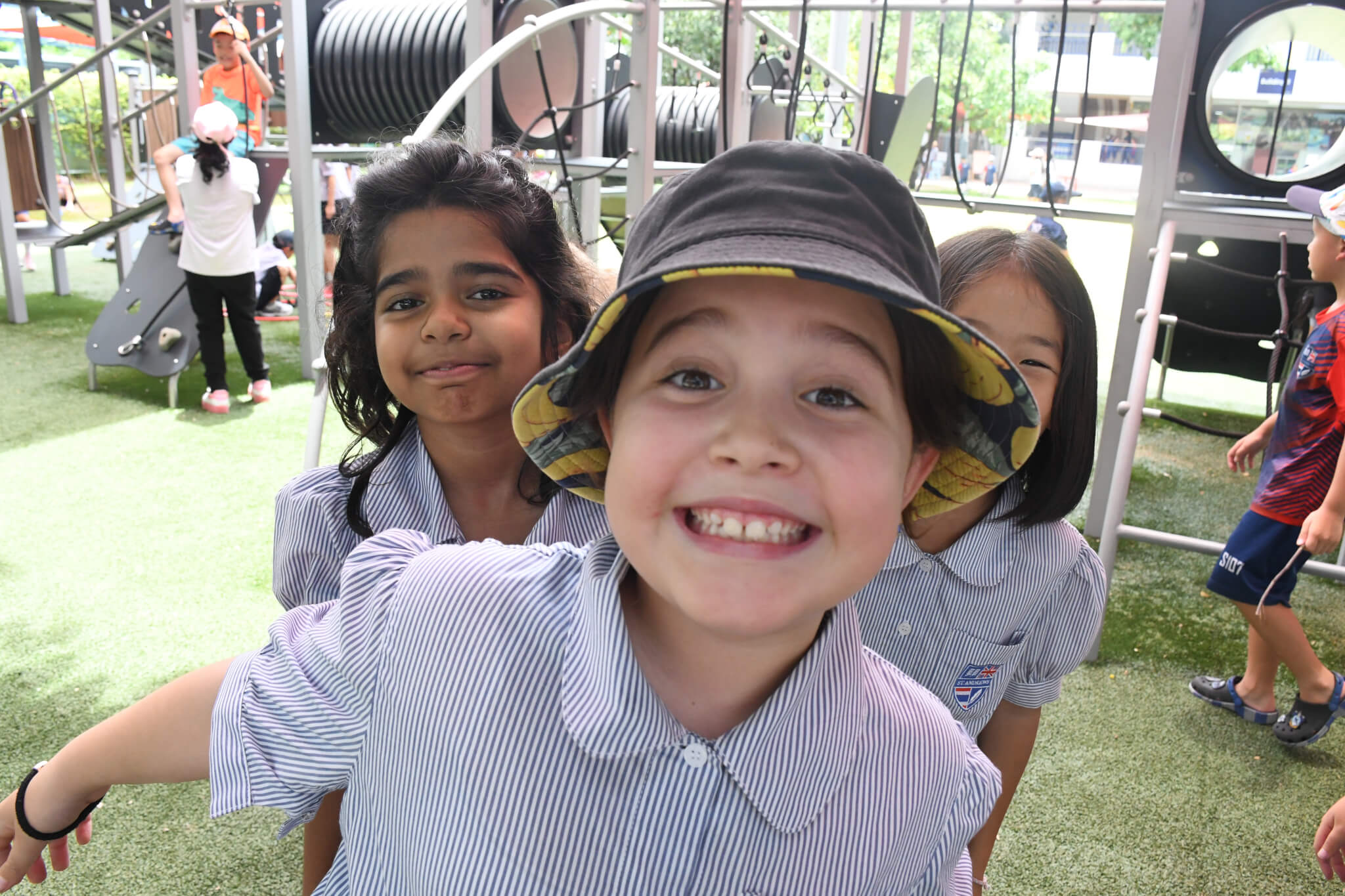
Disagreements over toys, space and whose turn it is are a completely normal part of preschool life. Conflict, handled well, is one of the most useful opportunities for developing empathy.
Rather than focusing solely on saying sorry, it is more helpful to slow the moment down. Helping a child understand what happened, what the other person felt and how the situation might be repaired gives any apology real meaning. A forced “sorry” with no understanding behind it can quickly become a habit with no real feeling attached.
A gentle approach that many Early Years teachers use involves a few clear steps: noticing the feeling (“I can see you’re really angry right now”), naming it aloud, setting a calm limit (“We can’t hurt our friends”) and then working together to find a way forward (“What could we do to make things better?”).
Over time, this kind of emotion coaching helps children manage strong feelings more confidently and begin to understand that their actions have an impact on others. Consistently modelling how to repair a situation, and how to check in with a friend after a disagreement, keeps the focus on relationships rather than rules.
A Caring Classroom Culture
Empathy grows most naturally when children feel safe, valued and genuinely seen. At St. Andrews S107, Early Years classrooms are built around warm routines, open-ended play and regular group conversations. Moments of kindness, large and small, are noticed and acknowledged throughout the day.
Being part of an international school community means that children naturally encounter different backgrounds, perspectives and languages from an early age. Teachers use these everyday moments to guide conversations about respect, inclusion and what it means to look out for one another.
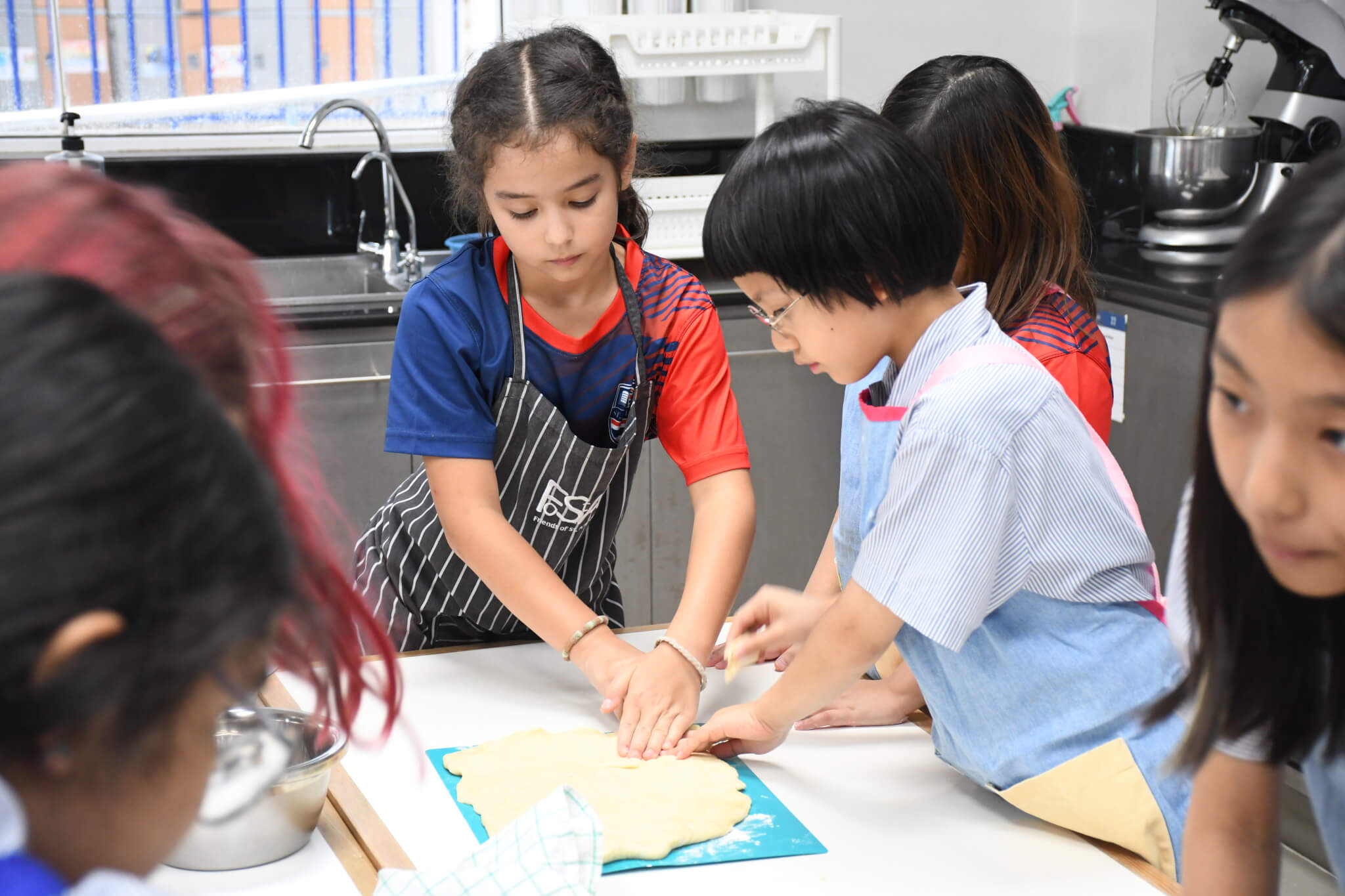
The social and emotional development that takes place in Nursery and Kindergarten is not separate from academic learning. It underpins it. Children who feel connected, understood and confident in their relationships are better placed to engage, explore and learn.
Frequently Asked Questions
How can I help my child if they do not want to share?
Sharing is genuinely difficult for young children. Rather than insisting on immediate sharing, it can help to take turns, acknowledge the effort when your child does share (“Thank you for waiting, that was kind”) and gently point out how the other child responded. Small moments of sharing, even reluctant ones, are worth noticing.
What if my child says something unkind?
Children are still learning how words affect others. When something unkind is said, it helps to pause calmly, explain simply how those words might have made the other person feel and then model what a kinder response might look like. Keeping the tone gentle rather than shaming makes it easier for children to take the message in.
How do I encourage empathy when my child seems very self-focused?
It is completely normal for preschool children to be focused on their own needs. Empathy develops gradually and at different rates. Small daily conversations about feelings, questions during story time and regularly noticing and celebrating acts of kindness all help to slowly widen a child’s perspective. Progress is gradual, and each child finds their own pace.
Should I force my child to say sorry?
Apologies matter, but for young children they need to come with some understanding behind them. If a child is guided to notice what happened and how the other person is feeling before saying sorry, the apology becomes meaningful rather than automatic. It is often more valuable to help your child repair the situation, whether by offering a hug, sharing a toy or using kinder words, than to focus on the phrase itself.
Empathy Grows in Small Moments
Kindness and empathy begin with everyday experiences: a bedtime story read patiently, a calm conversation after a difficult moment, a gentle hug at the end of a hard day. None of these need to be grand gestures. The small, consistent ones are what children carry with them.
Families who would like to learn more about our Early Years, Nursery and Kindergarten environment are welcome to explore how St. Andrews S107 supports children’s social, emotional and academic growth through warm relationships, play-based learning and the caring routines of daily classroom life.