
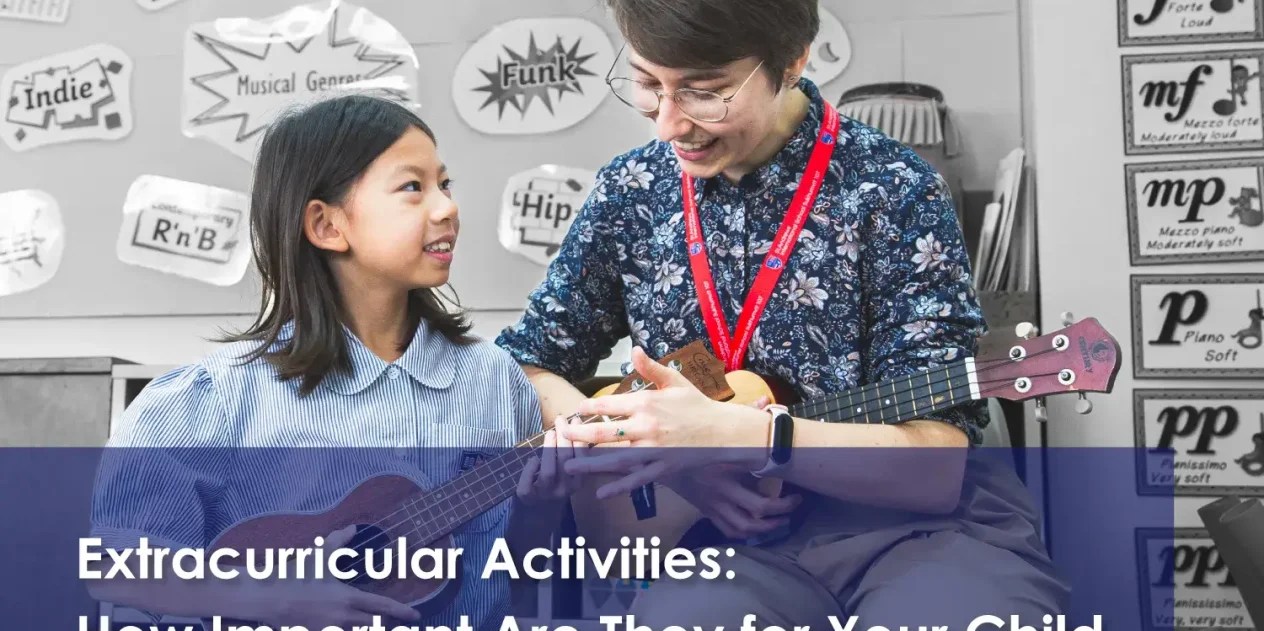
Extracurricular activities may sound like something children simply do after school, but they can offer valuable opportunities to discover new interests, develop new skills and learn how to work with others outside the classroom.
Many parents may wonder which activities their child should take part in, how many they should choose, or whether extracurricular activities benefits genuinely contribute to their development. This article explores the extracurricular activities meaning, different extracurricular activities examples, their benefits and how parents can choose activities that suit each child.
What Are Extracurricular Activities?
The extracurricular activities refer to activities that take place in addition to the regular school curriculum. These may include:
- Sports and physical activities
- Learning to play a musical instrument
- Art and creative activities
- Learning an additional language
- Cooking and food-related activities
- Joining clubs and exploring different interests
These activities give children opportunities to learn through practical experience, discover their interests and develop skills that may not come from classroom learning alone. The following list of extracurricular activities offers a closer look at the options available and how they can support a child’s development.
What Types of Extracurricular Activities Are There?
There are many different types of extracurricular activities, and each one can support a child’s development in different ways. Parents can begin by observing their child’s interests and considering which areas of development they would particularly like to encourage.
Here are some useful extracurricular activities to consider.
Sports and Physical Activities
These activities encourage children to move their bodies, develop physical coordination and learn how to work with others. They may include team sports, individual sports or activities designed to build physical strength and fitness.
Examples of activities:
- Football and basketball.
- Swimming and tennis.
- Gymnastics.
- Taekwondo.
- Indoor climbing or outdoor activities.

Art, Music and Performing Arts Activities
Creative extracurricular activities give children opportunities to communicate their thoughts and feelings through artwork, music or performance. They can express themselves in ways that feel natural and enjoyable to them.
Examples of activities:
- Drawing and crafts.
- Singing and playing musical instruments.
- Dancing.
- Stage performance.
- Filmmaking and animation.
Academic and Technology Activities
These activities allow children to build on classroom knowledge through experimentation, project creation and problem solving. They can discover how science, mathematics and technology can be applied in real situations.
Examples of activities:
- Science Club.
- Mathematics Club.
- Coding.
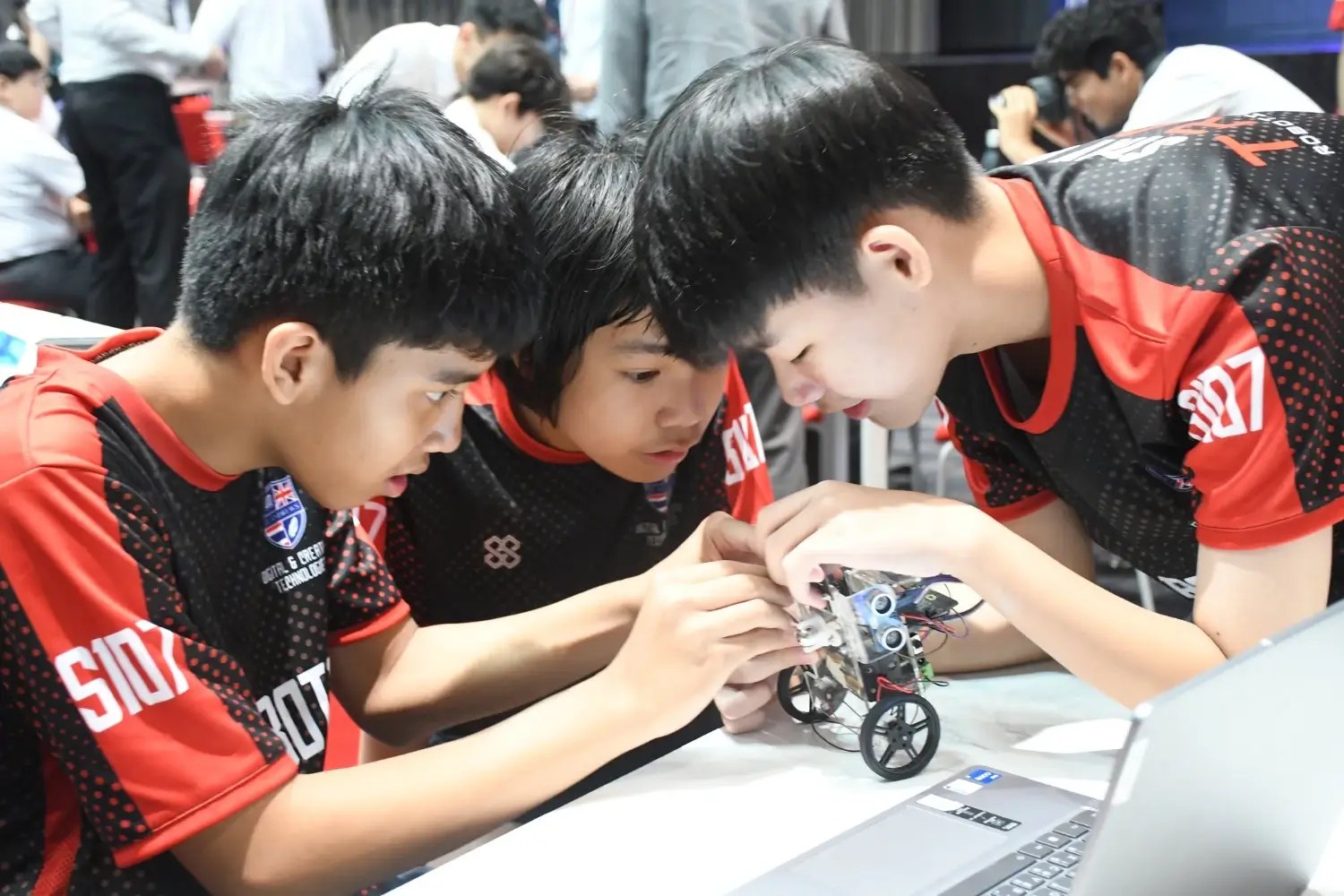
- Robotics.
- Programming and Minecraft Programming.
- Filmmaking or Stop Motion Animation.
These extracurricular activities also connect with STEM education, where children develop analytical thinking and problem solving skills while applying their knowledge through practical activities.
Life Skills and Community Activities
This group of extracurricular activities connects learning with everyday life. Children can practise planning, following processes and taking responsibility for their own tasks. They can also learn how to interact with others and contribute to their community.
Examples of activities:
- Cooking and baking.
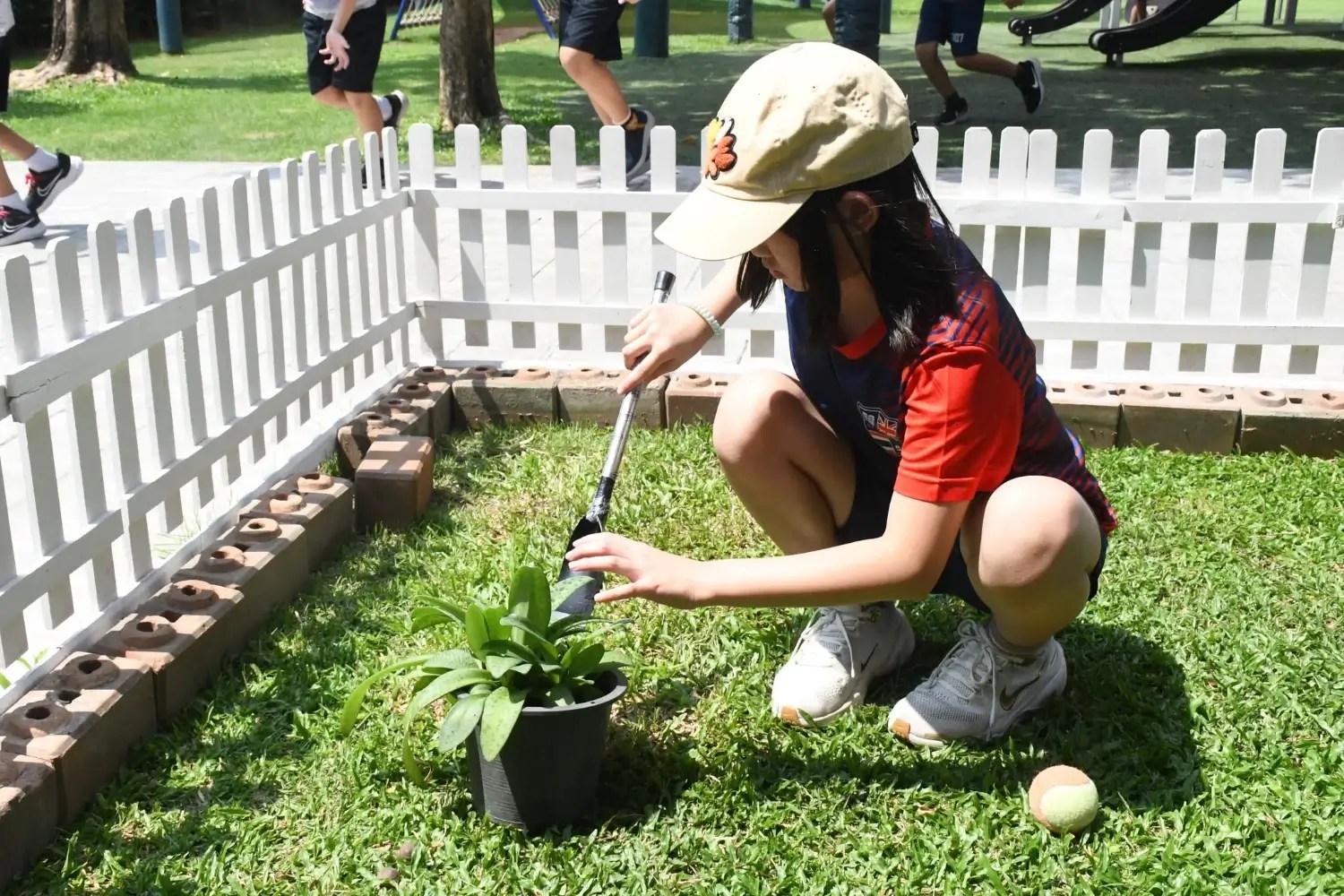
- Gardening.
- Chess and strategy games.
- Public speaking.
- Environmental and community projects.
5 Extracurricular Activities Benefits for Child Development
The extracurricular activities cover activities that take place in addition to the standard school curriculum. They allow children to use their free time productively while learning through practical experiences, developing skills beyond the classroom and gradually discovering their own interests.
The following are 5 important extracurricular activities benefits for children’s development.
1. Help Children Discover Their Interests and Strengths
Some children may not yet know what they enjoy or where their strengths lie until they have opportunities to try different activities. Joining clubs and participating in a varied list of extracurricular activities can therefore give children the chance to explore their interests through real experiences.
Skills children can develop:
- Understanding their own interests and strengths
- Building confidence to try new things
- Setting goals
- Making decisions and choosing activities that suit them
2. Develop Communication and Teamwork Skills
Many extracurricular activities give children opportunities to work with their peers, whether through team sports, theatre, group projects or community activities.
During these activities, children learn that teamwork is not simply about following their own ideas. It also involves listening to other people, sharing responsibilities and finding ways to work with people who may have different perspectives.
Skills children can develop:
- Speaking and communicating appropriately.
- Listening and exchanging ideas.
- Sharing roles and responsibilities.
- Solving problems with others.
- Building positive relationships with friends.
3. Build Confidence and Self Expression
Extracurricular activities provide children with spaces where they can practise and demonstrate their abilities in different ways. Some children may be quiet in the classroom but feel more confident expressing themselves through music, drawing or another activity that genuinely interests them.
Skills children can develop:
- Expressing opinions.
- Presenting their work.
- Making confident decisions.
- Responding positively to mistakes.
- Perseverance and patience.
4. Encourage Analytical Thinking and Problem Solving
Activities such as Science Club, Coding, Robotics, Chess and project based activities encourage children to think through problems step by step. They may begin by asking questions, then move on to planning, experimenting and reviewing their results.
When something does not work as expected, children can learn that mistakes are part of the learning process. Rather than stopping after an unsuccessful first attempt, they can analyse what happened and try a different approach.
Skills children can develop:
- Questioning and observation.
- Analytical thinking.
- Systematic planning.
- Problem solving.
- Flexible thinking.
5. Develop Responsibility and Life Skills
Activities such as cooking, gardening, public speaking and participating in community projects can help children develop skills that they can use in everyday life.
Children learn that completing a task successfully often requires preparation, following a process and taking responsibility for their own role.
Skills children can develop:
- Time management.
- Responsibility.
- Taking care of themselves and equipment.
- Planning and following processes.
- Empathy.
- Leadership.
5 Ways to Choose Extracurricular Activities That Suit Your Child
Choosing extracurricular activities does not have to begin with the most popular option. It should start with understanding your child, including their interests, personality, readiness and available time.
1. Start With Your Child’s Interests
Observe what your child enjoys doing in everyday life and look for extracurricular activities that connect with those interests.
Parents can also start a conversation using simple questions such as:
- Which activity would you like to try?
- What do you enjoy doing after school?
- Which activities do you find fun?
- Would you prefer doing an activity independently or with friends?
Allowing children to participate in the decision can help them feel a sense of ownership and increase their motivation to take part.
2. Choose Activities That Suit Their Age and Development
The difficulty and duration of extracurricular activities should be appropriate for a child’s age and developmental stage.
If an activity is too difficult, a child may feel pressured or lose confidence. If it is too easy, they may become bored. Before enrolling, parents may therefore want to ask:
- Which age group is the activity designed for?
- Does the child need any previous skills?
- Does the activity match the child’s interests and preferences?
3. Consider Which Skills the Activity Supports
Different types of extracurricular activities help children develop different skills. Parents may therefore begin by thinking about which area they would currently like to support, such as physical activity, confidence or teamwork.
Examples of choosing activities according to different goals include:
- If you would like your child to be more physically active, consider swimming, football or gymnastics.
- If you would like to encourage creativity, consider art, music or performing arts.
- If your child enjoys experimenting and solving problems, consider Science Club, Coding or Robotics.
- If you would like your child to develop greater responsibility, consider cooking, gardening or community activities.
4. Consider the Learning Environment and Teaching Approach
The type of activity is important, but the environment in which children participate is equally important.
Children should be able to learn in a safe environment where they can try things independently and make mistakes as part of the learning process. Parents may want to observe or ask:
- How much opportunity does the teacher give children to participate?
- How are children guided when they make mistakes?
- Does the activity focus mainly on competition or collaborative learning?
- Does the teacher adapt their approach to individual children?
- Do children have opportunities to work with their peers?
A positive environment can help children enjoy learning and feel confident trying new things without believing that everything has to be perfect on the first attempt.
Parents should therefore consider teaching approaches, class sizes, learning spaces and student support alongside the extracurricular activities available when choosing a primary school for their child.
5. Make Sure There Is Enough Time to Rest
Children do not need to participate in many extracurricular activities at the same time.
It’s important that children still have enough time to sleep, complete homework, travel, play freely and spend time with their family. Before adding another activity to their schedule, it can be helpful to consider whether it may make them overwhelmed.
Before adding another activity, consider whether:
- Your child still has enough time to rest and recharge
- Activities fit comfortably around school and family time
- Your child is not feeling overly tired, stressed or anxious
- Your child still looks forward to taking part
- There is enough time for free play and everyday routines
If a child begins to resist attending activities, becomes tired easily or has little time to play and rest, this may be a sign that the number of extracurricular activities should be reduced or their schedule adjusted.
Frequently Asked Questions About Extracurricular Activities
Q: What age are extracurricular activities suitable for?
A: Extracurricular activities can be suitable for children of all ages, depending on the type of activity and the child’s readiness. Activities for younger children should generally be shorter, have simple steps and provide opportunities to learn through play and practical experience.
Q: How many extracurricular activities should my child take part in?
A: There is no fixed number. Some children may benefit from starting with just one activity, while older children or those with more available time may be comfortable participating in more than one.
Q: What should parents do if their child does not enjoy extracurricular activities?
A: Parents should first talk to their child to understand why they do not enjoy the activity. For example, the activity may feel too difficult, the child may not yet feel comfortable with the teacher or other children, or the activity may simply not match their interests.
If the issue is mainly nervousness during the first few sessions, parents may give their child some time to adjust and continue trying the activity for a little longer.
Conclusion
Extracurricular activities can provide an important environment for children to learn and develop beyond the classroom. The value of these activities is not measured only by how many activities children join or how many awards they receive. The wider extracurricular activities benefits can include greater confidence, stronger communication skills, responsibility, creativity and the ability to work effectively with others.
When selecting from a list of extracurricular activities, parents should therefore consider their child’s interests, age, development and readiness. Giving children opportunities to experiment and discover what suits them at an appropriate pace can make these experiences more meaningful.
For families looking for a primary school for their child, St. Andrews International School Sukhumvit 107 offers education from Year 1 to Year 6 following the English National Curriculum. Parents can arrange a school visit to explore the classrooms, meet our teachers and discover what makes learning at S107 unique.