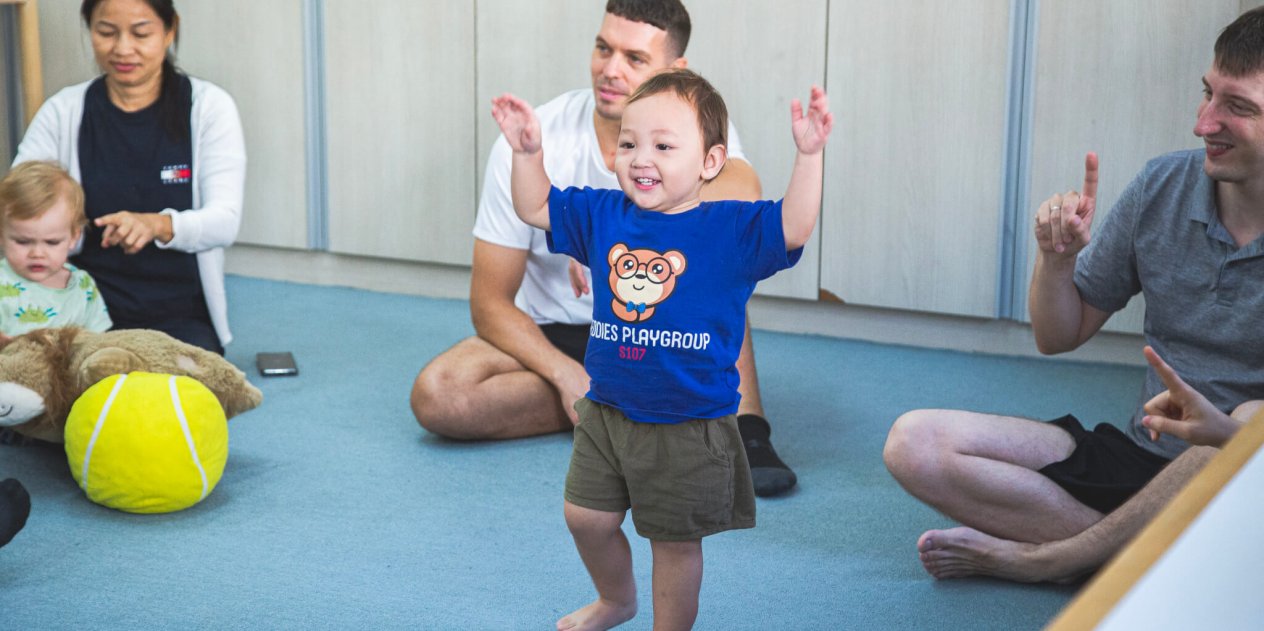
In a Nursery or Kindergarten classroom, children might be singing together, clapping in rhythm, waving colourful scarves or joining in a freeze dance game. These lively moments fill the room with energy, and they offer far more than entertainment. Music and movement are some of the most valuable tools in early childhood learning, supporting language, thinking, self-regulation and social development in ways that are both natural and enjoyable.
Why Music and Movement Matter in Early Years
Young children learn through their bodies, senses and relationships. Music and movement bring together listening, attention, memory, emotion and coordination in a seamless way. When children clap in time, repeat a verse or follow a dance pattern, they are building connections between hearing, feeling, moving and remembering. These experiences are not simply entertaining extras; they lay a foundation for language, early maths, focus and social confidence that underpins much of what follows in school.
Rhythm and pattern help children develop concentration and begin to understand sequences. Movement adds physical awareness and supports a child’s ability to organise their actions. These areas sit at the heart of the Early Years Foundation Stage (EYFS) framework, which guides learning in Early Years settings such as ours. Sharing music and dance with classmates also builds a warm sense of belonging, which is particularly important during the early months of school life.
Language and Early Literacy
Long before children read or write, they are absorbing the sounds of language. Singing songs, chanting nursery rhymes and playing clapping games help children hear syllables, sounds and rhythms. Simple activities such as clapping along to each child’s name or matching claps to the beats of a rhyme build awareness of how language is structured.
Action songs like “If You’re Happy and You Know It” encourage children to listen carefully, follow instructions and connect words to movement. Repetition is particularly valuable at this age. Hearing “The Wheels on the Bus” or “Twinkle, Twinkle, Little Star” many times helps build vocabulary, introduces new words and shows that language has its own rhythm and flow. Singing together during everyday moments at home, such as getting dressed or tidying up, naturally extends this learning beyond the classroom.
Early Maths and Patterns
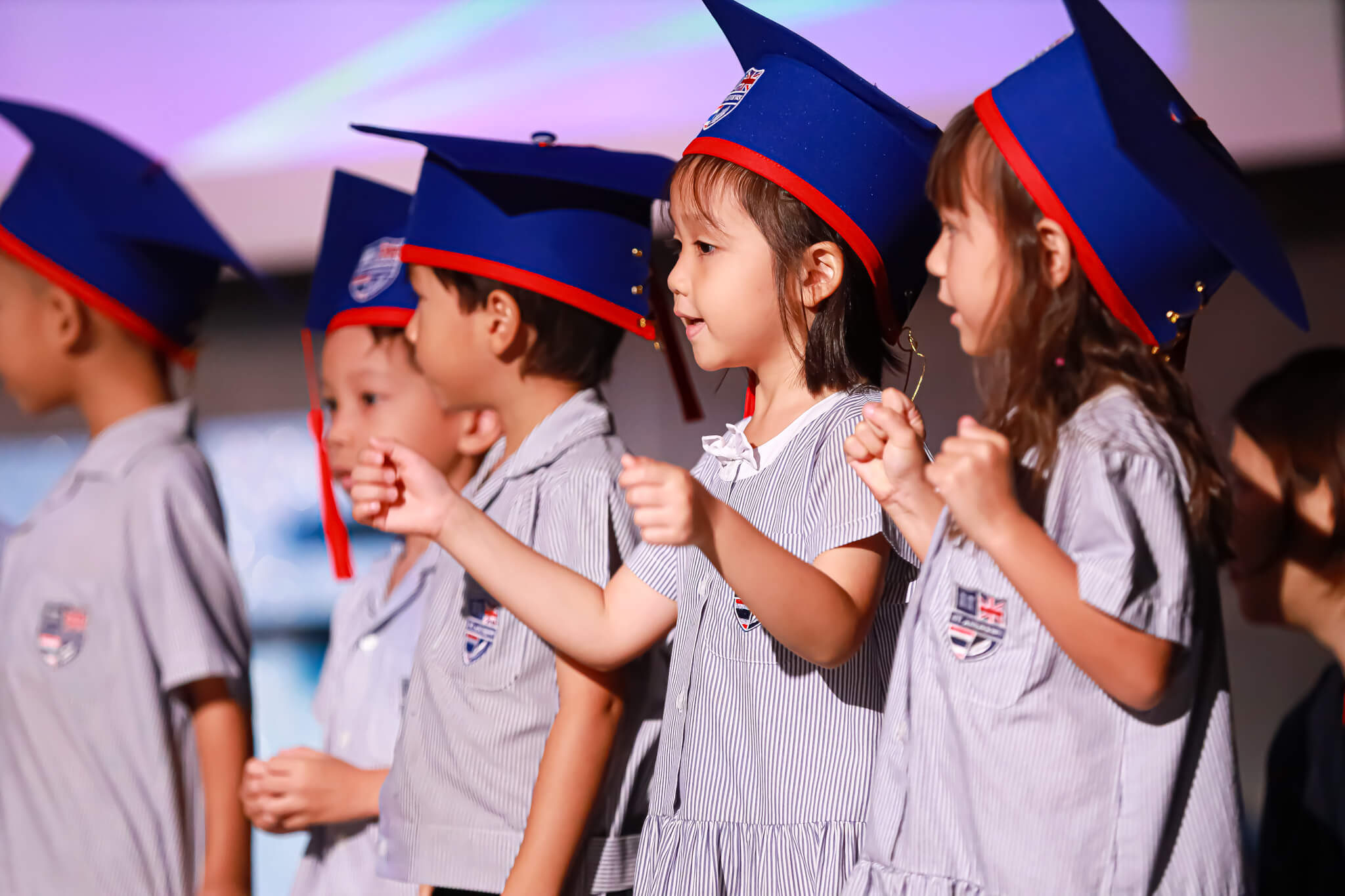
Music and movement also support early mathematical thinking. Counting songs such as “Five Little Monkeys” or “Five Speckled Frogs” give children regular practice with counting, sequencing and pattern recognition. Clapping, tapping or stepping to a steady beat helps children hear and feel patterns before they can describe them in words.
Exploring the structure of music through concepts such as loud and soft, fast and slow, or repetition and change gives children practical experience with order, grouping and comparison. These are the same ideas that underpin early maths thinking, making abstract concepts tangible through sound and movement.
Self-Regulation and Focus
Learning to start and stop, listen and respond, or wait for a cue are important skills for school readiness. Games such as freeze dance and call-and-response clapping, where children echo a rhythm back, encourage them to manage their attention, follow instructions and control their movements.
Musical signals also work well for classroom transitions. A particular song or clapping pattern can signal that it is time to tidy up, gather for a story or get ready to move. Children quickly learn to listen for these cues, building both routine and the ability to focus. These small habits of attention, practised daily through play, transfer naturally to other areas of classroom life.
Confidence, Social Skills and Culture
There is something powerful about making music together. Group singing and movement give children regular opportunities to take turns, cooperate, listen to others and feel part of the class. A greeting song, a shared rhyme or a lively freeze dance can establish a culture of warmth and belonging from the very first days of school.
In an international school community, music can also reflect the diverse backgrounds children bring with them. Songs in different languages, familiar rhymes from home or rhythms from different parts of the world help children feel seen and included. They also give classmates a natural way to share their own culture, broadening everyone’s experience in an easy and enjoyable way.
Motor Development
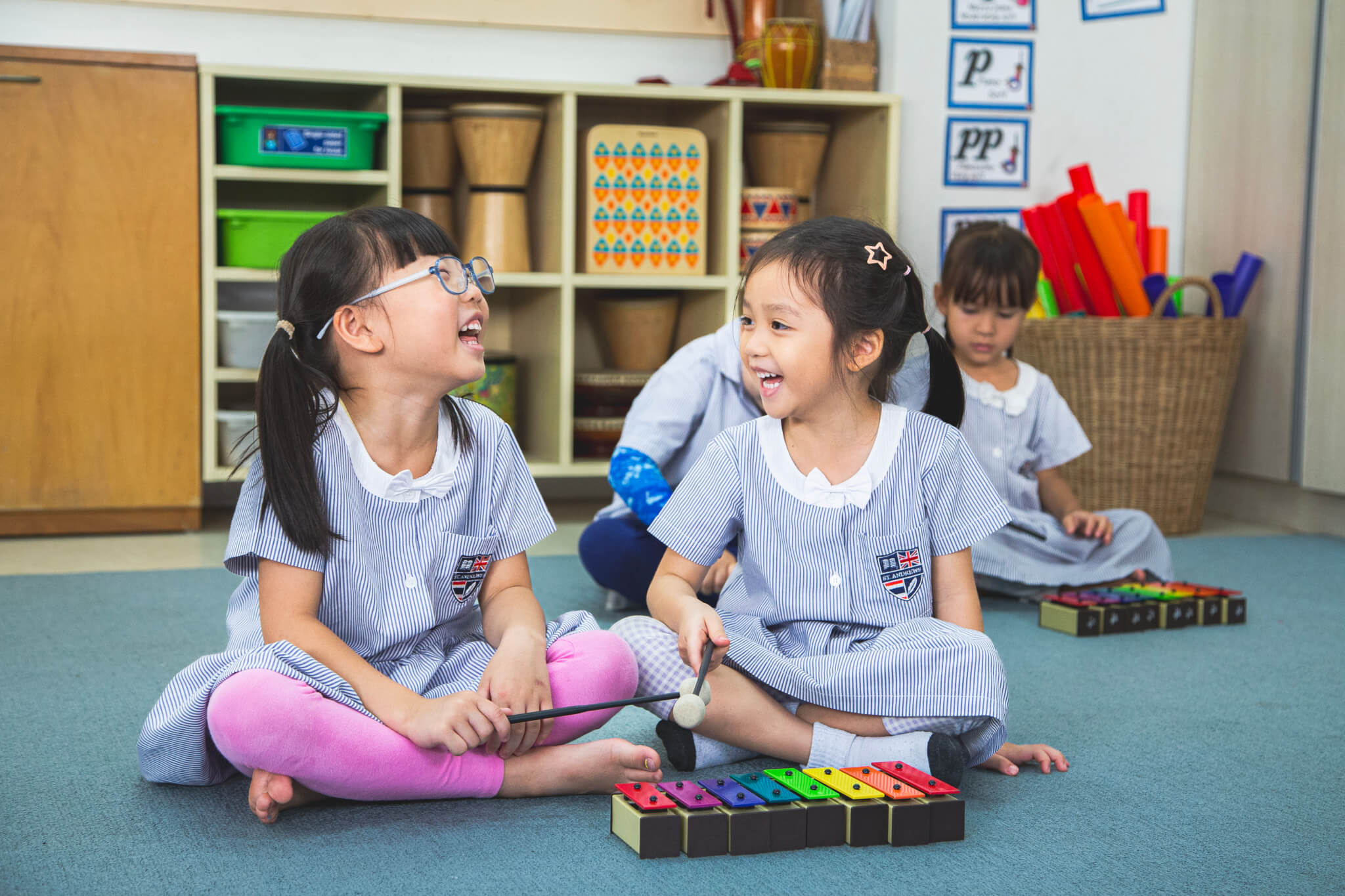
Every time children jump, spin, clap, shake an instrument, beat a drum or wave a ribbon, they are building muscles and improving coordination. Large movements such as marching, spinning and balancing develop gross motor skills, including strength, spatial awareness and balance. Smaller movements, such as finger rhymes, tapping shakers or handling simple instruments, support fine motor control, which underpins later skills including writing, drawing and self-care.
Simple props make these activities more engaging without adding complexity. Scarves, ribbons, homemade shakers and small drums give children something to interact with and help them explore movement with a growing sense of confidence and control.
Simple Activities for Parents
Parents do not need musical training or expensive equipment to support music and movement at home. What matters most is enthusiasm and repetition. Some easy ideas to try:
- Clap out the syllables in family names or favourite words
- Sing counting songs and act out the numbers with fingers or toys
- Play freeze dance or musical statues
- Try call-and-response clapping, where one person taps a rhythm and the other echoes it
- Dance with scarves, ribbons or tea towels
- Make simple shakers from empty bottles filled with rice or pasta
- Add actions to familiar nursery rhymes
- Use a song as a signal for daily transitions such as tidying up or getting ready to go out
These everyday moments carry real value for a child’s development and often become much-loved family routines.
Music and Movement at St. Andrews S107
At St. Andrews S107, music and movement are woven into the rhythm of the school day across Early Years, Nursery and Kindergarten. Children are encouraged to join in, try new things and share their own favourite songs and rhymes. The school’s play-based approach means that creativity, active learning and social-emotional development are supported through both structured activities and open-ended opportunities to move, create and explore.
Being part of an international community adds another dimension. Music becomes a natural bridge between languages and cultures, helping every child feel welcomed and understood from their earliest days at school.
Supporting Your Child’s Growth Through Music and Movement
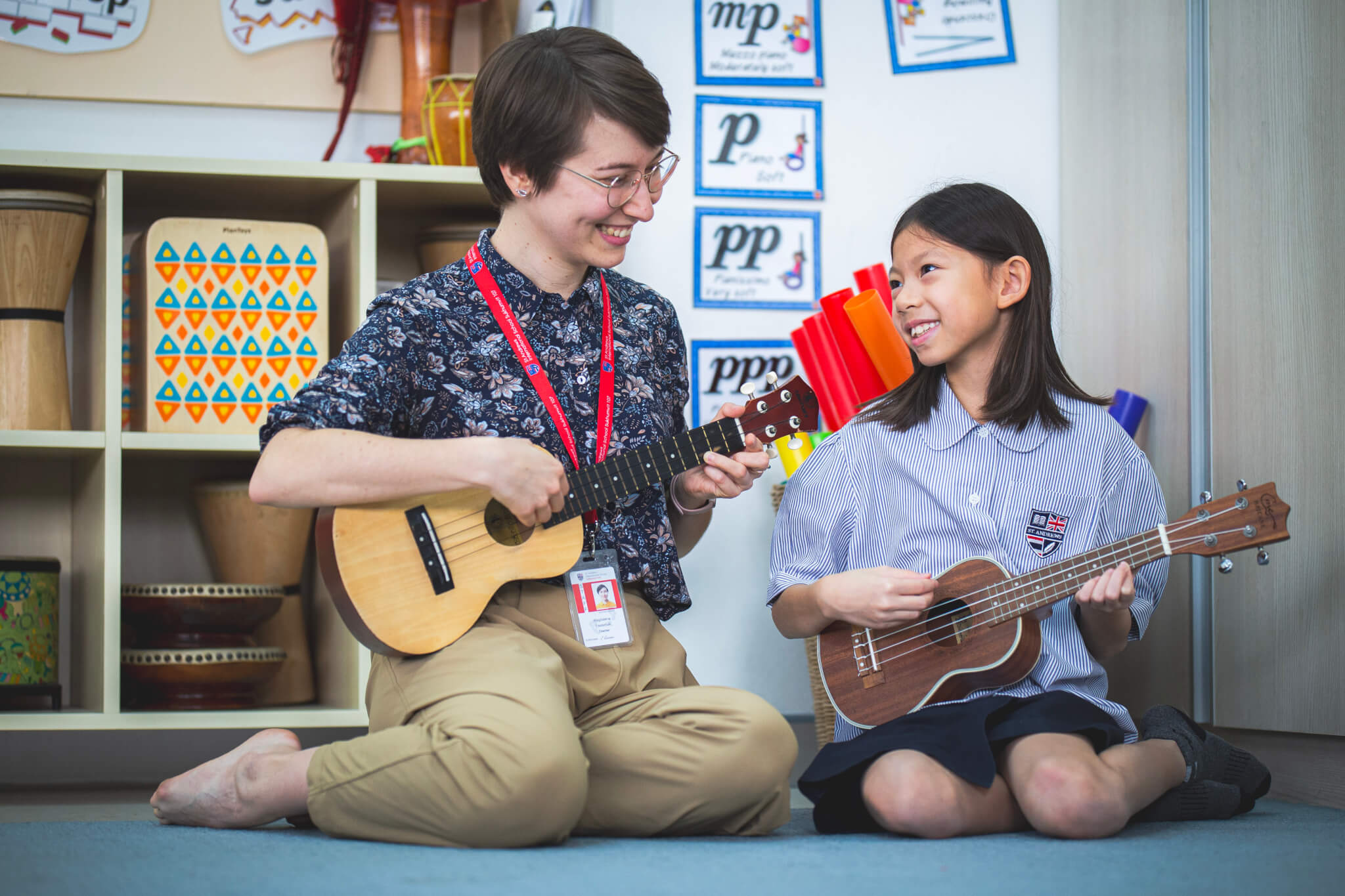
Music and movement support many connected areas of development: language, early maths, self-regulation, confidence, motor skills and social connection. They do not require special resources or formal training. A favourite song, a clapping game or a moment of dancing together can support learning in ways that feel natural and joyful, and are well within reach of every family.
Families who would like to find out more about how St. Andrews S107 supports children’s growth through play, creativity and warm daily routines are welcome to explore our Early Years, Nursery and Kindergarten environment.