Many families at St. Andrews International School Sukhumvit 107 are raising multilingual children, whether that means a home language spoken at home, English at school, or several languages used with family, friends and the wider community. It is natural to have questions along the way: will the languages get mixed up, will one hold the other back, should the focus shift to English? For international families in Bangkok, these questions come up often, and the answers are usually more reassuring than parents expect. This article looks at what tends to help in practice, with straightforward ways to support multilingual children at home, at school and across the international school community.
Multilingualism Is a Strength
Many parents worry that using more than one language at home might confuse a child or slow their learning. In practice, multilingual children often grow skilled at moving between languages and different social settings, and this flexibility tends to support rather than hinder their development. Switching between languages helps children adapt, listen carefully and see things from more than one point of view, skills that serve them well at school and beyond.
Concerns that a child might fall behind in English, or in the home language, are also common. Maintaining more than one language generally gives children a wider set of tools rather than taking something away, though every child develops at their own pace and progress rarely follows a straight line. With encouragement and a relaxed attitude at home, children tend to grow comfortable using all their languages, and often build friendships across different languages too, connecting them more widely within the local community and with family further afield.
Keep Speaking Your Home Language
Under pressure to fit in at an international school, switching to English only at home can feel like the simplest option. But keeping the home language part of daily life matters for family connection and language development alike. Speaking it with children helps maintain close relationships with relatives, keeps family stories alive and passes on traditions that might otherwise be harder to share.
Strong home language skills often support the learning of additional languages, including English, by building a base in listening, speaking and understanding that carries over into classroom discussion. If pressure to switch ever creeps in, it helps to remember that the home language plays a role English is unlikely to replace, and that these skills can fade quickly once a child is fully immersed in an English-speaking school environment. Keeping the home language present supports a child’s ongoing connection to family, heritage and identity.
Make Language Part of Everyday Life
Children pick up language best through relaxed, everyday moments rather than formal practice. Building small routines into daily life, so language never feels like a chore, is one of the simplest ways to help:
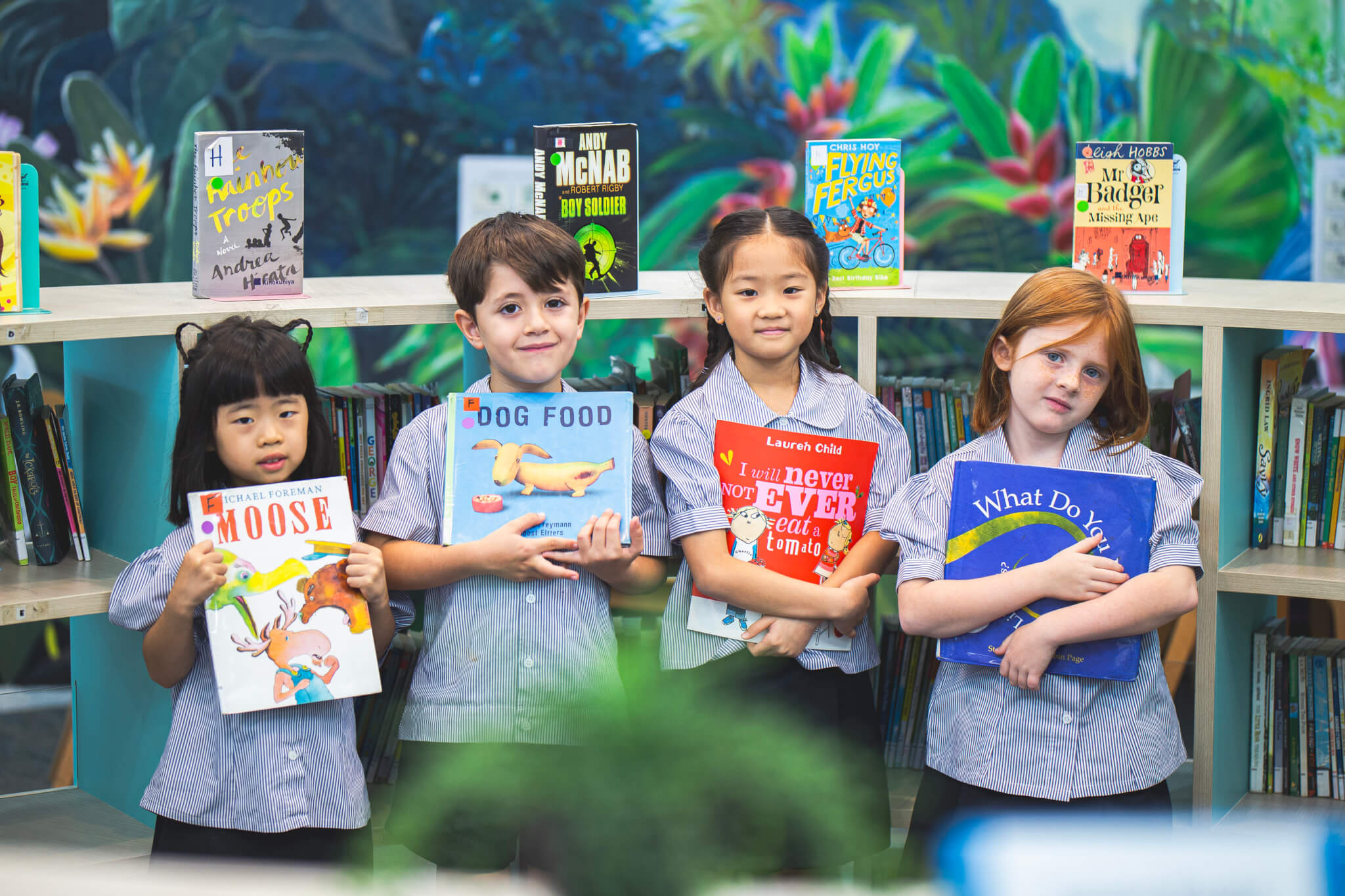
- Reading together: a bedtime story in the home language, or an audiobook if reading aloud isn’t an option.
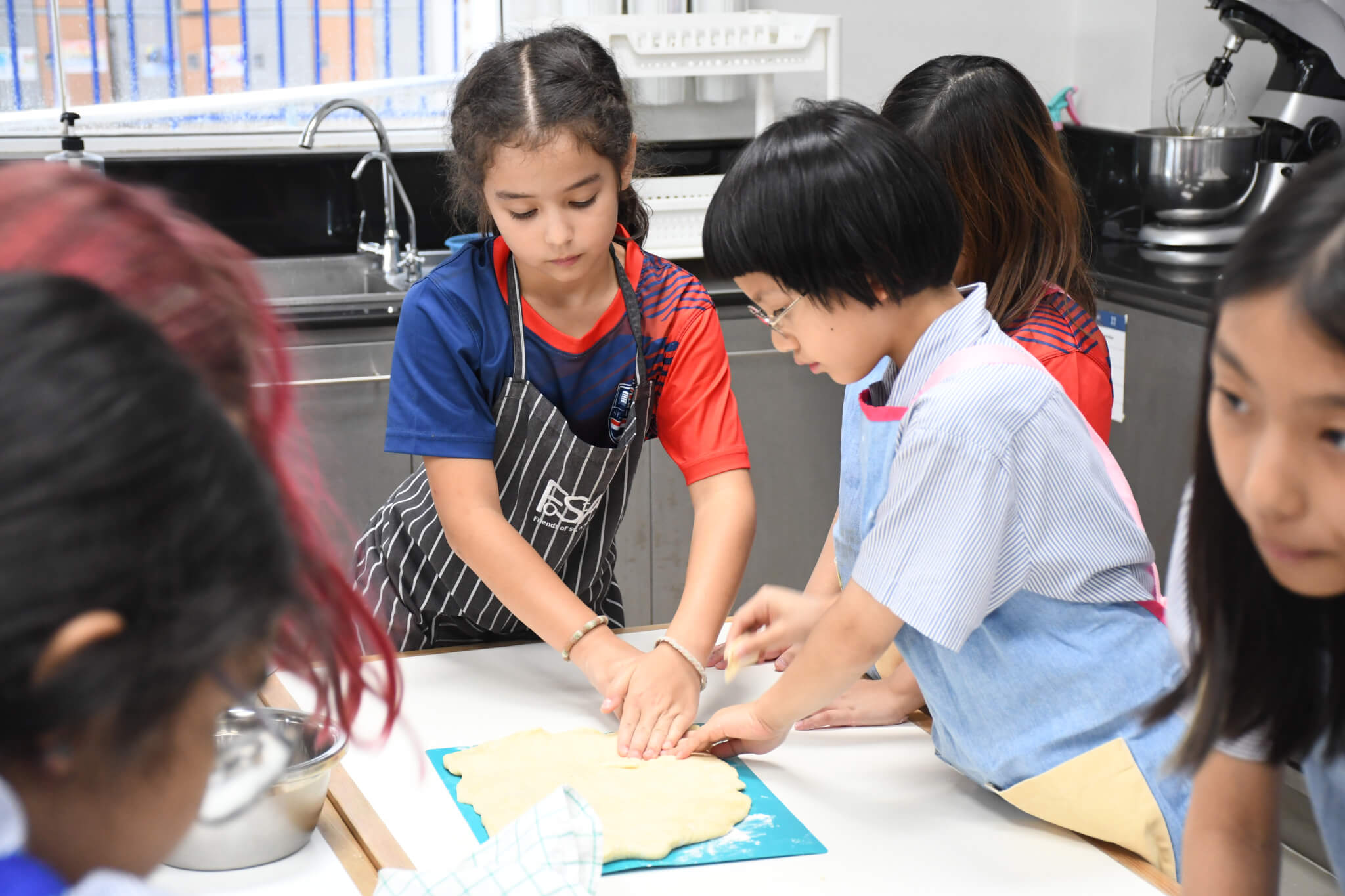
- Cooking as a family: naming ingredients and talking through a recipe together.
- Music and rhymes: songs and nursery rhymes build vocabulary and listening skills.
- Video calls with relatives: a real reason to use the home language and stay close across distance.
- Family stories: sharing memories or family history gives language meaning and context.
- Device-free meals: more room for conversation without screens.
- Community events: local cultural events or language clubs offer more exposure outside the home.
- Everyday errands: narrating simple tasks adds vocabulary naturally.
Starting with one small routine, a weekend breakfast tradition or a nightly song, is often enough. Over time, these habits tend to become routines families look forward to.
Do Not Panic About Language Mixing
Mixing languages, sometimes mid-sentence, is common among multilingual children, especially when they are young or one language is currently stronger. It can be unsettling to notice, particularly soon after a child starts at an international school and is absorbing a new language quickly.
Language mixing does not mean a child is confused or falling behind; it usually shows they know more than one way to express an idea and are working out what feels most natural. Children tend to become more consistent about which language to use where over time, especially when parents and teachers respond calmly. Gentle correction has its place, but focusing on meaning rather than interrupting every mixed sentence tends to work better. Patience helps children notice patterns and grow comfortable using each language on its own.
Create Positive Routines, Not Pressure
Language develops best in an environment that feels warm and unhurried. Treating every conversation as a lesson, or setting expectations too high, can turn language into a source of stress rather than connection. Small, consistent routines kept light and enjoyable tend to work better over time than occasional intensive effort. Children respond well when parents model language use themselves, stay relaxed about mistakes and treat each language as a normal part of daily life.
Support English Without Replacing the Home Language
Many parents want their children to become confident English speakers, particularly given its role at school. This is entirely possible without setting the home language aside. Letting English develop naturally through school and friendships, while continuing to value the home language at home, helps children see that both matter.
Books, films and outings in English can offer extra practice alongside home language routines, not instead of them. Story time in English is worth adding, but should sit alongside the home language at meals and bedtime rather than replace it. Clubs, sports or playdates in English offer further exposure while keeping the home language central to family life.
Work With the School
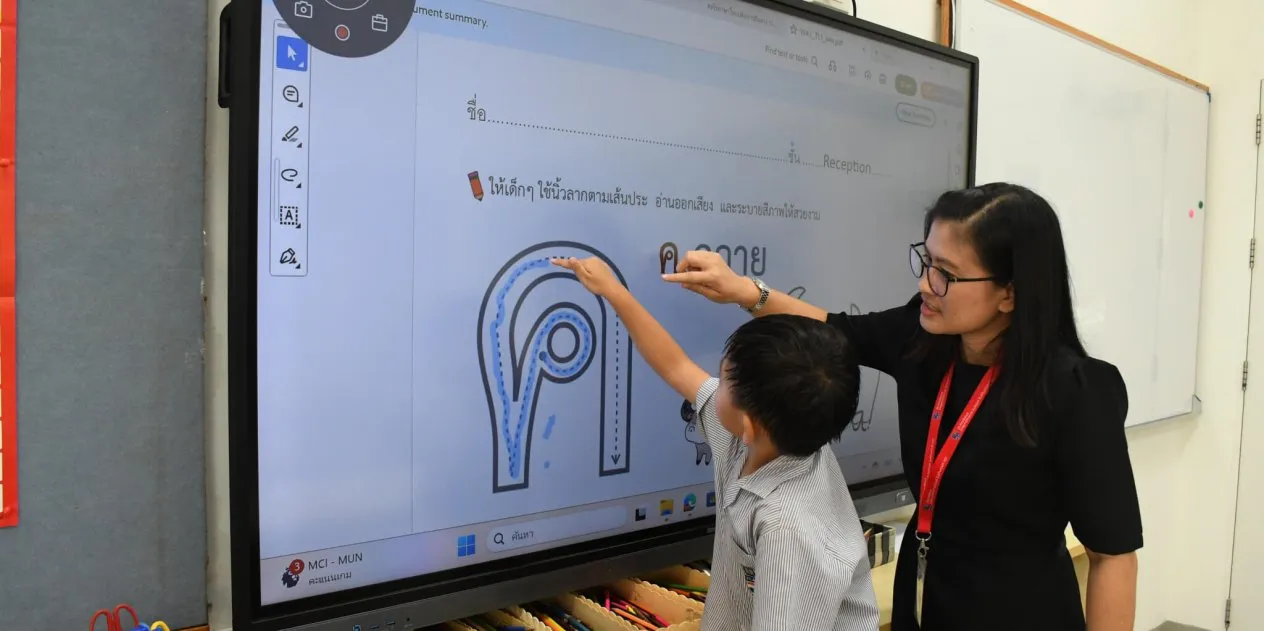
Teachers within an international school community generally have experience supporting multilingual families and understand that progress is not always a straight line. Speaking with teachers directly is a good starting point for questions about how a child’s languages are developing. They can share what they notice in the classroom and suggest practical steps for home.
Raising concerns early makes it easier for families and teachers to work together. Sharing which languages are used at home, along with any worries or recent progress, gives teachers useful context, and most welcome the chance to recognise the languages and cultures represented in their classroom. Parent groups or language support networks within the school community can also be a good source of ideas and a chance to hear how other families are managing the same questions.
When Extra Support May Be Helpful
Occasionally a child may struggle to communicate comfortably in any of their languages, not just one. This might show up as difficulty forming friendships, reluctance to speak or frustration when trying to express themselves. If this happens across every language a child uses, it is worth raising with a teacher or a qualified professional.
Speech and language therapists can offer practical guidance and check for other factors that might be affecting progress. Seeking advice early tends to help, and there is nothing unusual about asking for support if it makes a child more comfortable and confident. Every child’s needs are different, and getting the right guidance at the right time is simply a sensible step.
Helping Children Feel Proud of Their Languages
A child’s pride in their languages grows through everyday moments: sharing a favourite song with friends, cooking a family recipe, or taking part in a cultural event where the home language is spoken. Encouraging children to teach a friend a greeting or a word in their language, rather than keeping it private, can help them see it as something to share rather than something that sets them apart.
Within a community such as St. Andrews Sukhumvit 107, children are often surrounded by opportunities to see their languages and cultures reflected and valued, which helps that pride take root and carries through into friendships and school life. Noticing and mentioning these moments, however small, reminds children that what they carry between languages is worth celebrating.
FAQ
Will speaking two or more languages confuse my child?
Generally, no. Most multilingual children learn to separate their languages over time and often develop useful skills, such as flexible thinking and strong listening habits, along the way.
Should we speak English at home to help with school?
Not necessarily. Children usually pick up English through school and daily exposure, so keeping the home language alive at home tends to support, rather than compete with, their progress in English.
Is it normal for multilingual children to mix languages?
Yes, particularly in younger children or when one language is currently stronger. Children usually become more consistent over time as they learn which language to use in different settings, and it does not need to be treated as a problem.
What should I do if my child understands a language but does not speak it?
This is fairly common and often eases with continued, relaxed exposure. Keeping the language present through conversation and everyday routines, without pressure to respond in it, tends to help.
When should parents ask for extra language support?
If a child is finding it hard to communicate across all their languages, or if there are wider concerns about their development, speaking with a teacher or a qualified speech and language professional is a sensible next step.
Conclusion
Raising a multilingual child is less about getting everything right and more about creating a home where each language has its place. Stories, songs, shared meals and everyday conversation build family connection while supporting confidence in every language a child speaks. Within the St. Andrews International School Sukhumvit 107 community, children’s languages and cultures are part of what makes school life rich, and every small, steady step at home helps that continue to grow. Families who would like to see this community in action are welcome to book a tour and experience the campus first-hand.